
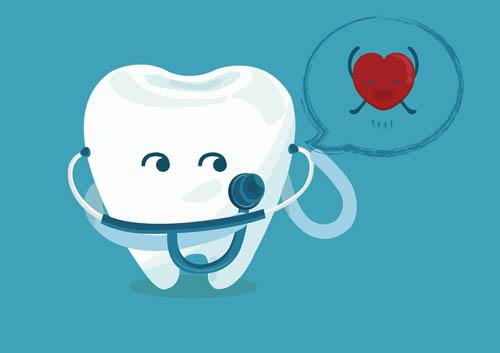
Oral Health Problems: An indicator of overall health problems?
If you are like many people, you might think of your oral health as separate from your overall health. After all, most dental coverage plans are distinct from health care coverage. However, your oral health goes far beyond being able to chew nutritious and enjoyable foods. Oral health problems may be an indicator of a variety of other health problems.
Links between Oral Health and Overall Health
In the late 1980s, researchers noticed a trend among patients who had recently suffered from heart attacks. As the Journal of the American Dental Association reported, they observed that these patients were more likely to have dental caries or cavities, periodontitis or inflammation around the tooth, and other forms of gum disease. Later studies found similar results, and dentists and doctors now recognize poor oral health as a risk factor for a variety of heart conditions, such as heart attacks, atherosclerosis, and coronary heart disease.
There are even more links between oral health problems and overall health problems. Some individuals do not find out that they have Type 2 diabetes until a dentist sees that they have periodontitis. If you have diabetes, worsening periodontitis can indicate that your diabetes is not under control.
Poor oral health is also associated with rheumatoid arthritis. Furthermore, poor oral health puts you at higher risk for respiratory infections, such as pneumonia, because harmful pathogens can enter your body through your mouth.
Take Care of Your Teeth
Keeping your teeth healthy remains important, especially as you grow older. Older adults are more prone to dental caries and other oral health problems, as well as to chronic diseases. While taking care of your oral health might not prevent a specific disease, a healthy mouth is a significant factor in your overall health.
You can take care of your teeth by continuing to brush twice a day and floss every day. Avoid consuming too many sugary and starchy foods, and drink water after each meal or snack to rinse your teeth. See the doctor for regular checkups, and contact Norman & Gill Dentistry if you have any concerns about your teeth or gums.